A wheelbarrow seems like an obvious purchase until you have owned three of them. The first is a bargain plastic model that cracks within two seasons. The second is a slightly better steel one that rusts. The third, the one you wish you had bought first, is a heavy-duty contractor’s wheelbarrow with a pneumatic tyre and a steel pan that lasts twenty years.
This guide is for the second-time buyer. It walks through the genuinely useful options, including modern garden carts that have largely replaced classic wheelbarrows for many small homesteaders.
Classic single-wheel contractor wheelbarrow
The traditional design. One front wheel, two handles. Excellent for tipping and dumping, less stable for hauling. A steel-pan version with a pneumatic tyre is what most experienced gardeners settle on.
Capacity, roughly 80 to 120 litres. Useful load, 50 to 70 kg comfortably.
Two-wheel garden cart
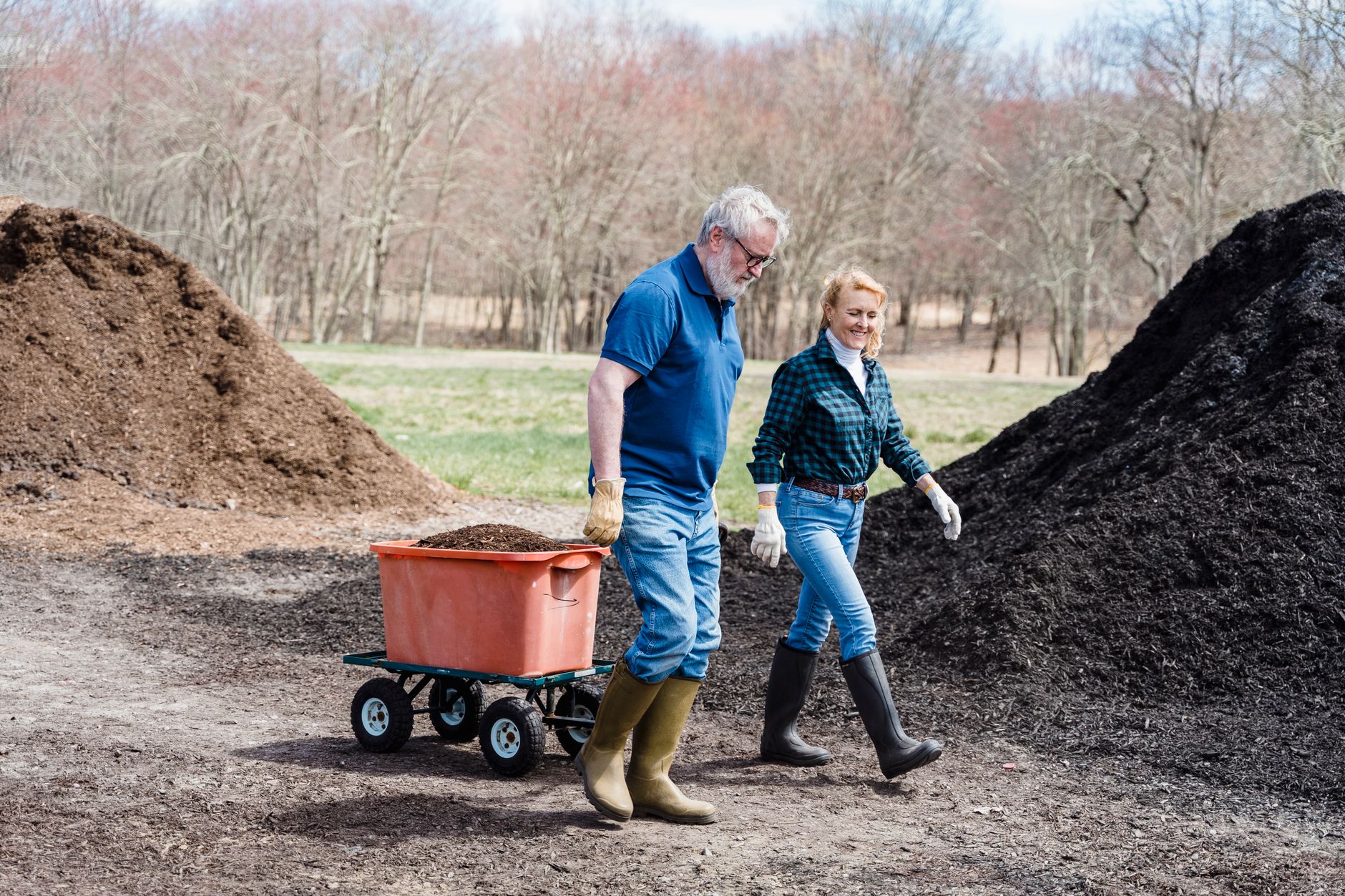
Increasingly popular and often more useful. Two wheels make the cart self-supporting and much more stable on rough ground. Easier to push than a single-wheel barrow when fully loaded.
Best for moving compost, soil, mulch and harvested produce. Less good for tipping into tight spaces.
Plastic-pan wheelbarrow
Lightweight, cheap, often comes with the home-improvement store starter kit. The pan cracks within three seasons of regular use. Suitable for occasional light work; not for sustained homesteading.
Heavy-duty plastic / poly pan
Better than the bargain plastic version. Thicker pan, sturdier frame, decent quality. A poly-pan wheelbarrow can last 8 to 10 years with reasonable care. Lighter than steel but slightly less sturdy.
Garden trolley with high sides
Sometimes called a utility cart. Four wheels, high sides, smaller capacity than a cart. Useful for hauling tools across a yard, less useful for bulk material.
What to look for
- Pneumatic tyres, not solid foam. Easier to push, gentler on lawns.
- Steel frame and pan for serious work; high-quality polypropylene for lighter work.
- Bolted construction rather than spot-welded. Bolts can be tightened over time.
- Wooden handles if you can find them. Absorb vibration better than metal.
- Rated weight capacity printed on the tag.
A good wheelbarrow lasts longer with
- Empty after use, not left full overnight with damp compost.
- Stored under cover or upside down so it doesn’t fill with rain.
- Tyre kept inflated to the recommended pressure.
- Handles oiled once a year with linseed.
- Pan washed off occasionally to prevent rust spots from holding moisture.
What we use ourselves
For most jobs, a heavy-duty steel single-wheel contractor’s wheelbarrow with a 14-inch pneumatic tyre and ash handles. It has lived outdoors under a small lean-to for nine years and still rolls smoothly. For lighter daily work in our raised-bed area, a poly-pan two-wheel garden cart that cost about half what the wheelbarrow did and is genuinely easier to push when loaded.
Further reading
Two authoritative resources we recommend if you want to go deeper on this topic:
Frequently asked questions