Productive small gardens are not built in a single weekend. They are built across two or three seasons, gradually, through small iterations that the gardener barely notices at the time. This is a different rhythm from the magazine version of urban farming, which tends to show a finished, photogenic balcony at peak yield in late July, never the slow accumulation that produced it.
This guide describes the unspectacular, patient process: how a balcony or small yard becomes genuinely productive over time, what to add and when, and what to resist adding regardless of how appealing it looks.
Season one: get the structure right
The first season is not about yield. It is about learning your space. By the end of it you should know:
- How many direct sun hours each spot receives in midsummer.
- Roughly how often each pot dries out in different weather.
- Which plants you actually used in cooking and which ones rotted on the worktop.
- How much storage space you have for tools and equipment.
Write these down. They become the foundation for season two.
Season two: add depth
In year two, expand the productive setup based on what you actually used. If you ate basil every week, plant three basil pots not one. If you ignored the salad leaves, skip them this year. Add a soil-improving habit: a compost bin, a worm bin, or simply a routine of saving coffee grounds.
This is also the year to add a small system that compounds yields: a vertical trellis, a self-watering planter, or a low-cost cold frame for extending the season.
Season three: refine and replace
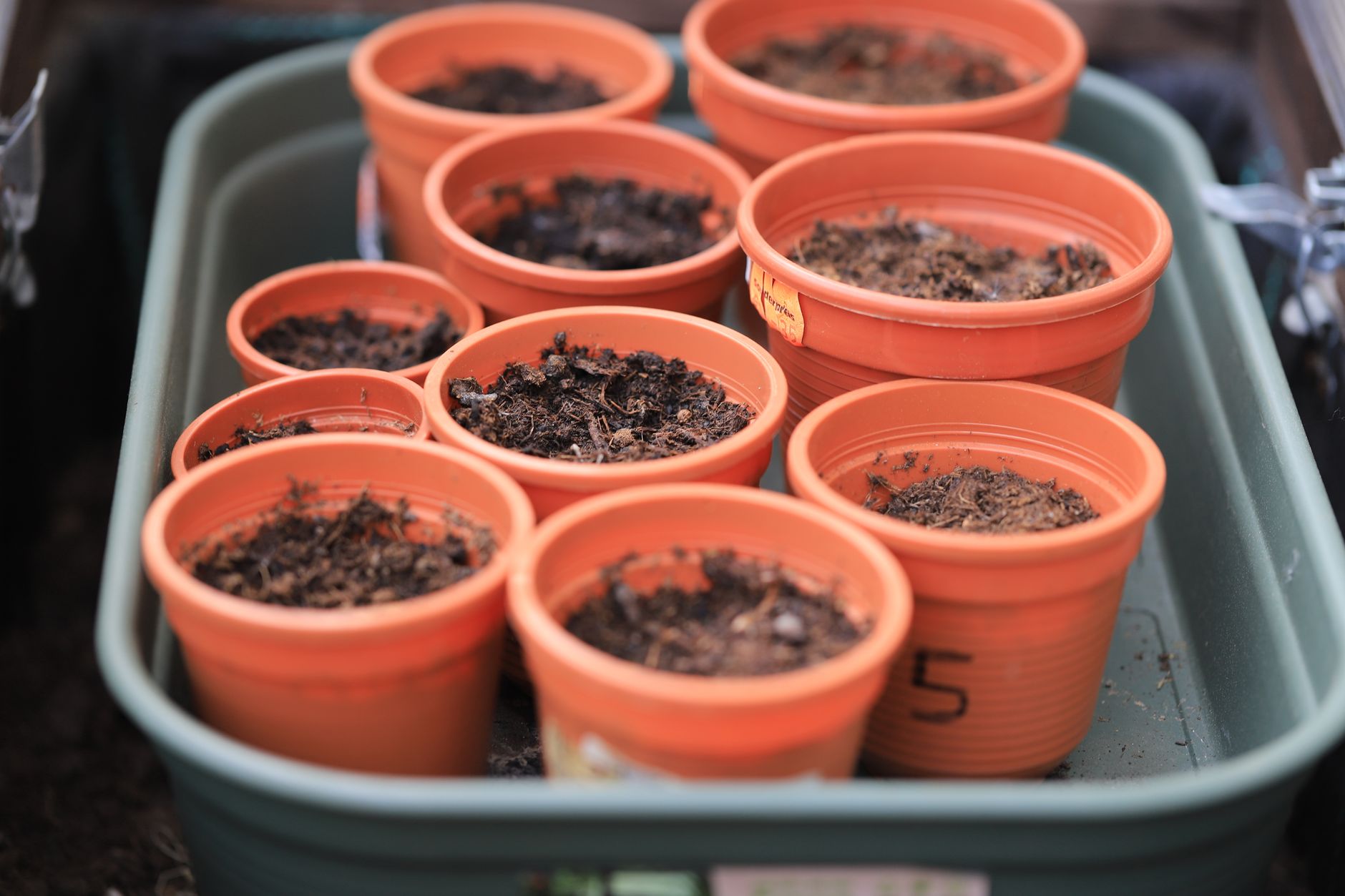
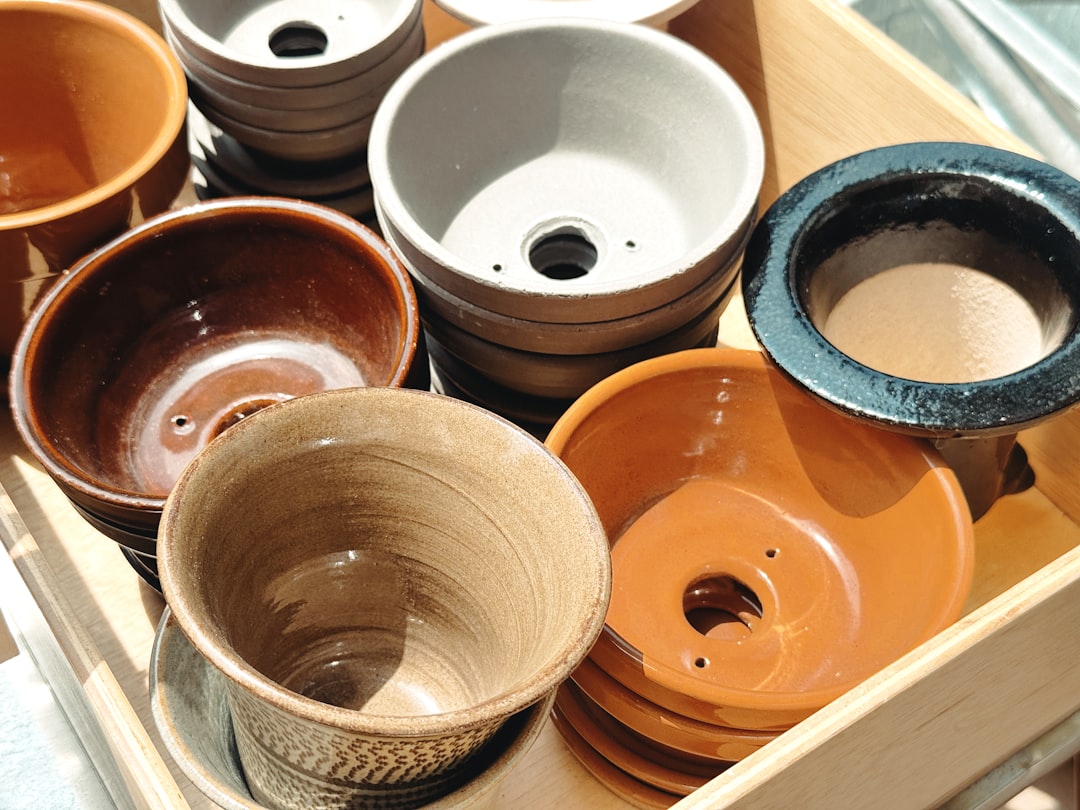
By year three, the balcony or yard has its character. Replace any tired pots. Refresh the soil thoroughly. Add a single substantial upgrade: a small greenhouse cabinet, a quality pair of secateurs that will last twenty years, or a second deep trough for serial sowing.
This is also the year you stop second-guessing yourself. Your pots and your watering rhythm and your sun map are old friends. Yield rises noticeably without you doing anything dramatically different.
What to resist
- Buying a hydroponic kit in year one.
- Building a vertical garden frame before you know whether you need it.
- Filling every available square inch with pots.
- Following social-media-driven trends that you have not seen tested.
- Replacing the working setup with a more aesthetic version simply because spring is here.
The compounding effect
Productivity in a small garden compounds because everything starts to support everything else. Compost from your bin feeds your tomato pot. Pollinator plants you added in year two improve fruit set in year three. The cold frame you bought last winter extends your salad leaves into November.
A garden in its third year is more than the sum of the parts you added each spring. The system has memory.
Realistic expectations
A productive small garden at year three might give you:
- Salad leaves once or twice a week, eight months a year.
- Fresh herbs every day, with maybe a one-month gap in deep winter.
- Tomatoes from late June to early October, possibly 10 to 15 kg from two or three plants.
- A handful of peppers, chillies and seasonal extras.
That is not a homestead. It is a useful, calm contribution to your kitchen, which is what we think most urban farmers actually want once they get past the early dreams.
Further reading
Two authoritative resources we recommend if you want to go deeper on this topic:
Frequently asked questions