Soil for containers is not soil. Strictly speaking, most bagged “container mixes” contain no field soil at all. They are blends of composted bark, coir, perlite, and sometimes worm castings or composted forest products. The terminology in the gardening aisle has drifted away from what is in the bag, and the labels are not always helpful.
This guide explains what to actually look for, what the labels mean, why cheap potting mix often disappoints, and how to build a slightly better mix yourself when the bagged options in your area are limited.
Why bagged garden soil fails in containers
Garden soil in the ground breathes through earthworm tunnels, decaying organic matter and the freeze-thaw cycle. In a pot, none of those processes operate. The soil compacts within weeks. Water sits at the bottom, roots suffocate, and the plant collapses. A potted plant in cheap garden soil rarely makes it past July.
What a good container mix contains
- Composted bark or coir as the bulk: holds moisture without compacting.
- Perlite or pumice for drainage and air: roughly 20 to 30 percent of the volume.
- Composted organic matter or worm castings for slow nutrient release.
- A small amount of slow-release fertiliser for the first six to eight weeks of growth.
Avoid mixes whose first ingredient is sand. Sand-heavy mixes drain too fast and starve plants.
Reading the bag honestly
Marketing terms are not regulated. Look for:
- “Container mix” or “potting mix” rather than “garden soil”.
- A clear ingredient list, not just a marketing description.
- Mention of perlite or pumice.
- A weight that is reasonable for the volume. A 40 litre bag should feel heavy but not waterlogged.
Different mixes for different crops
Vegetables (tomatoes, peppers, courgettes)
A general-purpose container mix with added compost or worm castings. Slightly richer than the standard.
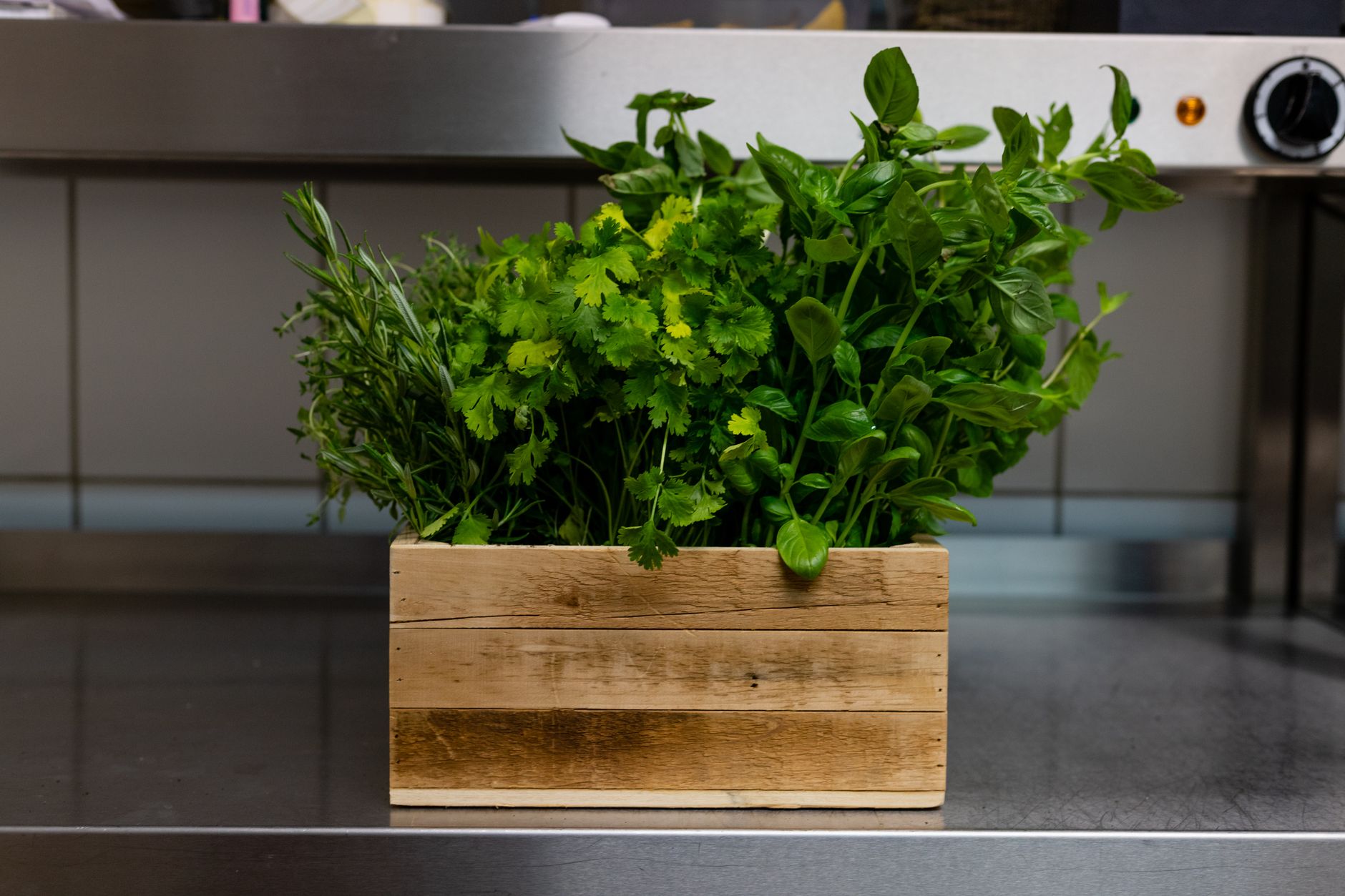
Salad leaves and herbs
Standard container mix, lighter texture. They are not heavy feeders.
Mediterranean herbs (rosemary, thyme, sage)
Container mix with extra grit or coarse sand added. They want fast drainage and lean nutrition.
Citrus or fruiting shrubs
Specific citrus mix if available, with slightly acidic balance. Otherwise standard container mix with a handful of pine bark added.
A simple homemade blend
If your local options are poor, you can mix your own from three components, available at most garden centres:
- Five parts composted bark or coir base
- Two parts perlite or pumice
- One part worm castings or fully composted organic matter
Mix in a bucket or wheelbarrow. The result is light, airy, slow-draining without being soggy, and well-suited to most container vegetables.
Refreshing soil between seasons
Soil in containers depletes over a season. You do not have to throw it out. At the end of the year:
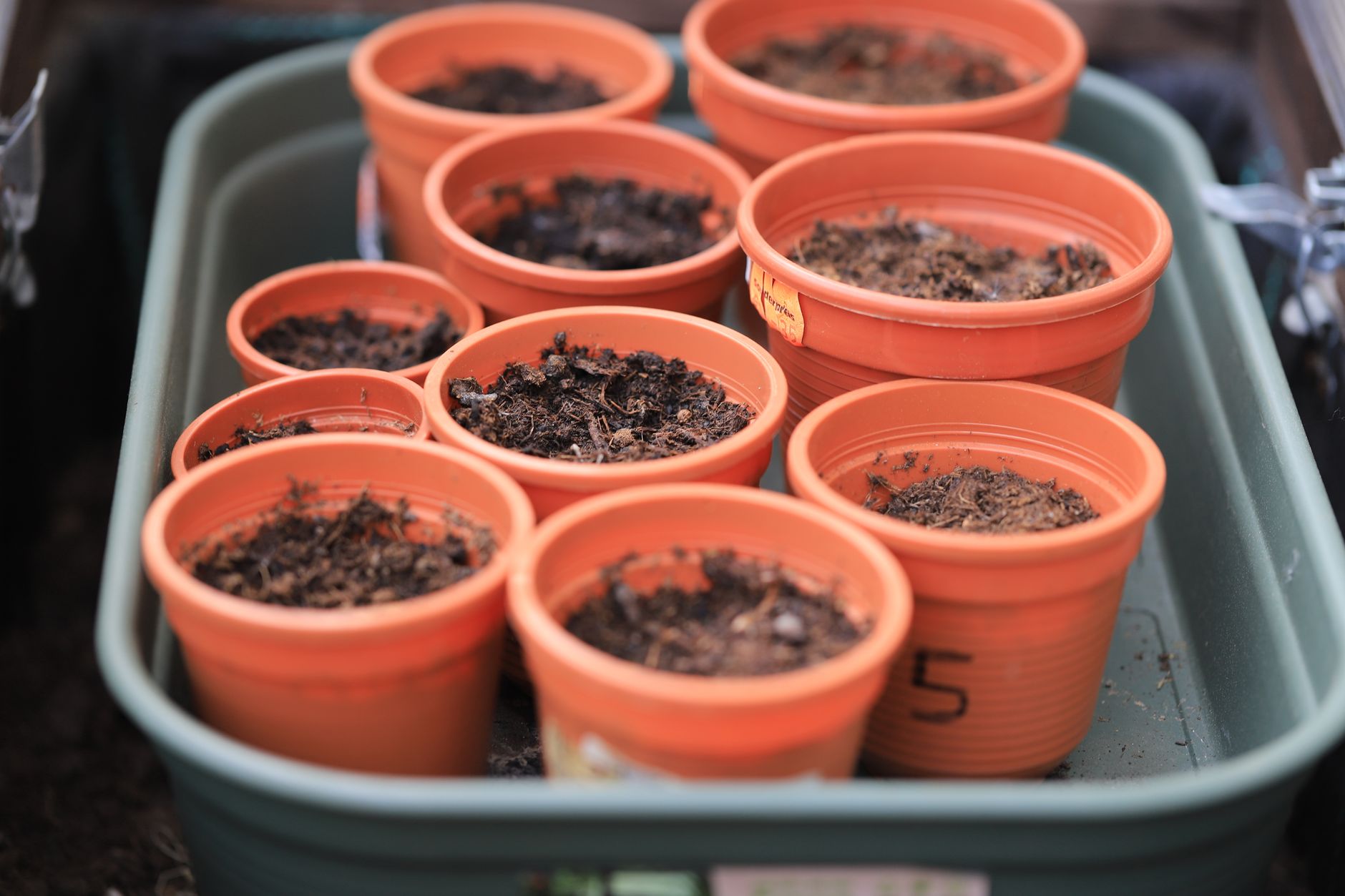
- Empty pots into a wheelbarrow or large tray.
- Break up the root ball, pull out any remaining roots.
- Mix in a third by volume of fresh compost.
- Refill pots for the next season.
After two or three seasons of this, replace the bulk of the mix and start again with fresh. Old soil makes excellent topdressing on outdoor beds or under hedges.
Further reading
Two authoritative resources we recommend if you want to go deeper on this topic:
Frequently asked questions