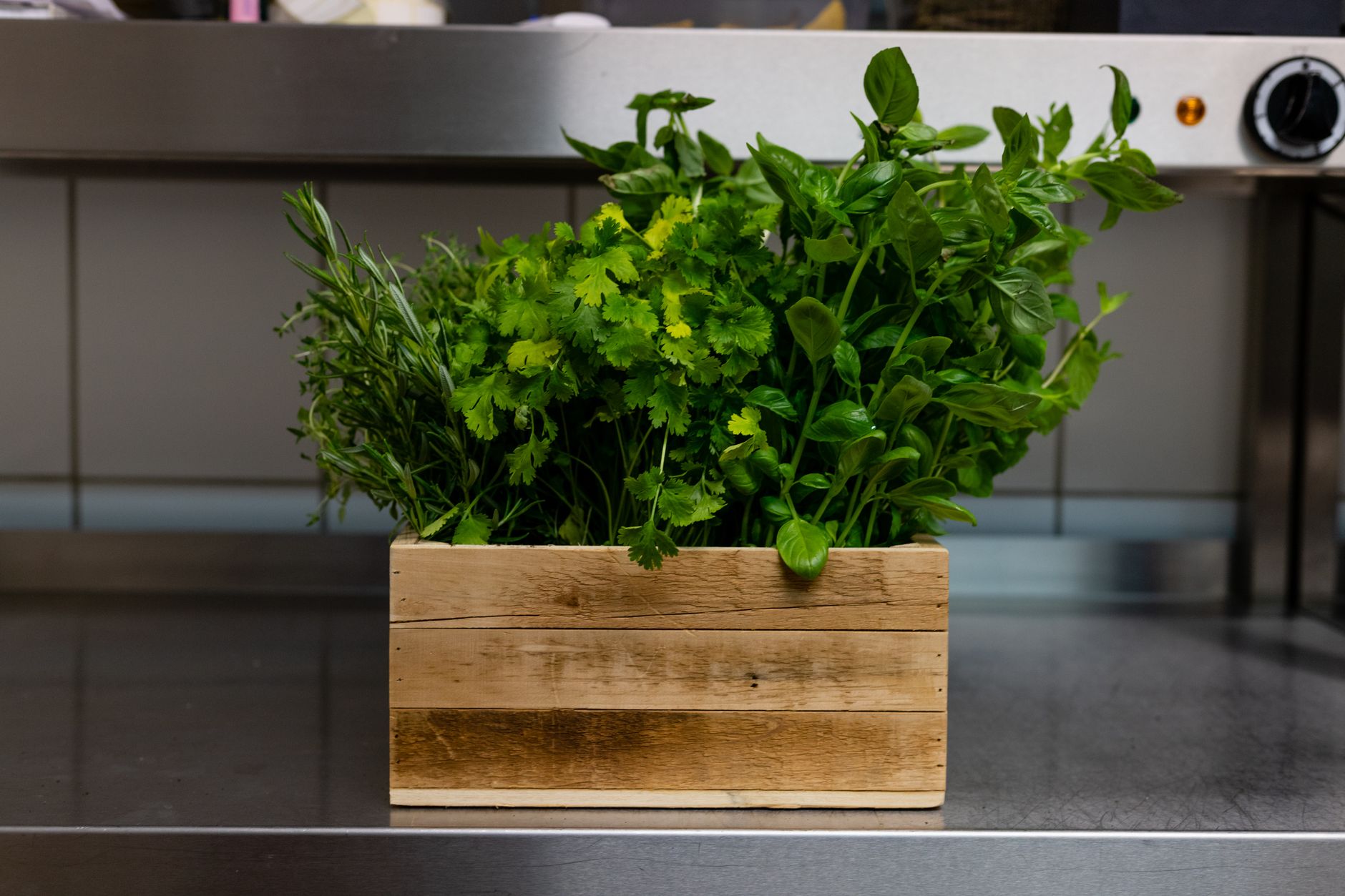
Window-box herbs are the most reliable urban-farming win we know. A long, shallow box on a sunny window ledge, three or four plants, a slightly generous bag of soil, and the same six herbs you would buy in the supermarket for ten dollars become a small ongoing garden that pays for itself many times over.
This guide walks through how to set up window-box herbs for each season of the year, including the awkward winter months when most people give up and lose half their herbs to the cold.
The window box itself
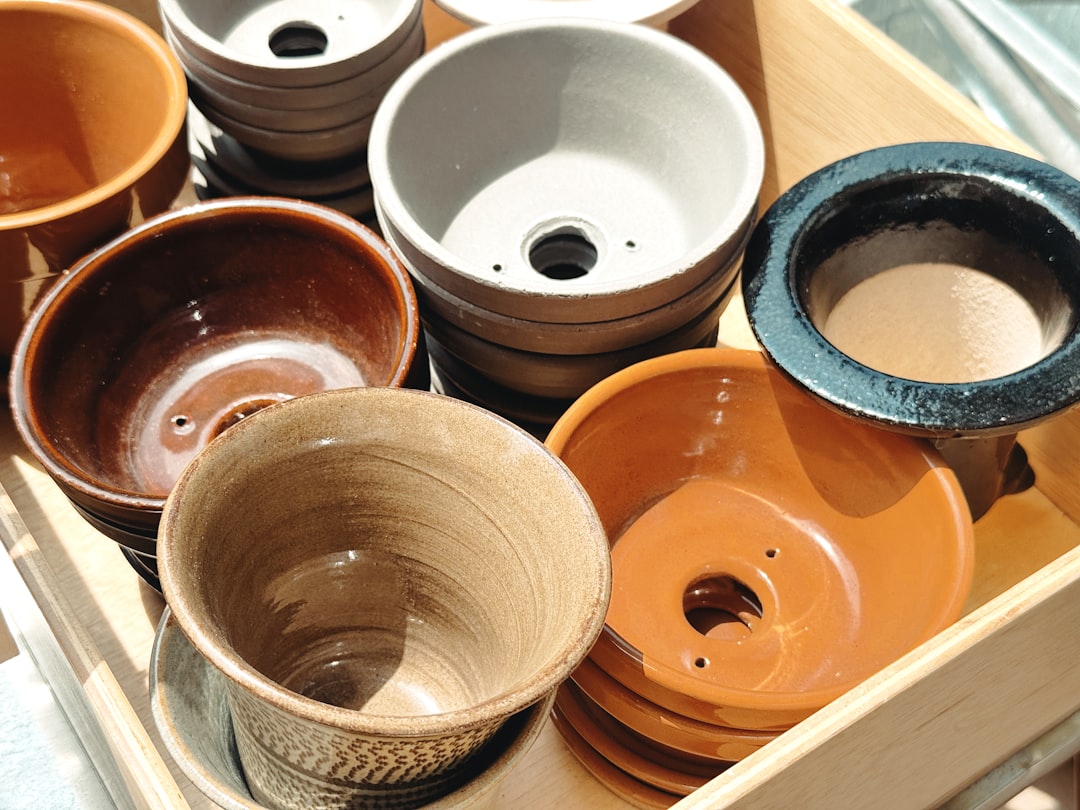
Choose a window box that is at least 20 cm deep and 60 cm long. Plastic with drainage holes works perfectly well. Metal looks beautiful and dries out faster, which can be an advantage for Mediterranean herbs.
Secure it properly. A window box that falls off in a stiff wind is a hazard and the start of a difficult conversation with downstairs neighbours.
Spring (March to May)
Spring is the easiest season to start. Buy three small plants: a parsley, a chives, and either a basil or a coriander depending on what you cook with. Plant them with their root balls level with the soil surface, water in well, and place in a window that receives at least four hours of light.
By late spring you can add a thyme or rosemary if the box has room. They will sit alongside the soft herbs even though their soil preferences are different, because the box dries reasonably evenly with daily watering.
Summer (June to August)
Summer is peak window-box season. Pinch your basil tops every five days. Cut parsley by the outer leaves rather than shearing the top. Trim chives down to 5 cm every two weeks and they regrow happily.
Autumn (September to November)
Replace any annuals (basil, coriander, dill) with autumn-friendly herbs such as oregano and a second parsley. Move the box to the sunniest window you have. Light levels drop dramatically by early November and your herbs will lean toward the brightest exposure.
Trim back perennial herbs to roughly half their summer size to encourage compact growth indoors.
Winter (December to February)
This is where most people lose half their herbs. The two enemies are dry centrally-heated air and low light. Address both directly.
- Move the box inside to the sunniest window in the house.
- Mist the herbs every few days, especially near a radiator.
- Water more sparingly, perhaps once a week. Indoor pots dry slowly in low light.
- If your window light is genuinely poor, a small LED grow light strip extends the season usefully without dominating the room.
Realistically, basil and coriander will not survive a long indoor winter. Parsley, chives, mint, thyme, sage and rosemary can be coaxed through with care. Accept the loss of the annuals as part of the rhythm.
The six herbs we always come back to
Parsley
Tolerant, productive, useful in nearly everything. Buy two plants and rotate harvest between them.
Chives
Almost indestructible. Cut to 5 cm regularly to keep them tender.
Thyme
Tolerates neglect. Pick small sprigs as needed. Becomes woody after two years and benefits from being replaced.
Mint
Plant in its own pot or it will dominate the box. Pinch flower heads to keep leaves tender.
Basil
Annual. Replant every year. Pinch tops aggressively. Will not survive winter.
Rosemary
Slow-growing. A small plant becomes useful within six months and lasts years. Tolerates dryness better than most herbs.
Further reading
Two authoritative resources we recommend if you want to go deeper on this topic:
Frequently asked questions