Backyard chicken articles often present a polished, calm version of the daily routine. In practice, three hens take roughly 10-20 minutes a day of actual attention. It is not nothing, and the difference between a thriving small flock and a struggling one is mostly about whether you do those minutes consistently.
This guide describes the daily, weekly and seasonal rhythm of caring for three to four hens. It is the schedule we actually run.
Morning routine (5-10 minutes)
- Open the coop door (manual or automatic).
- Check water; refill if needed.
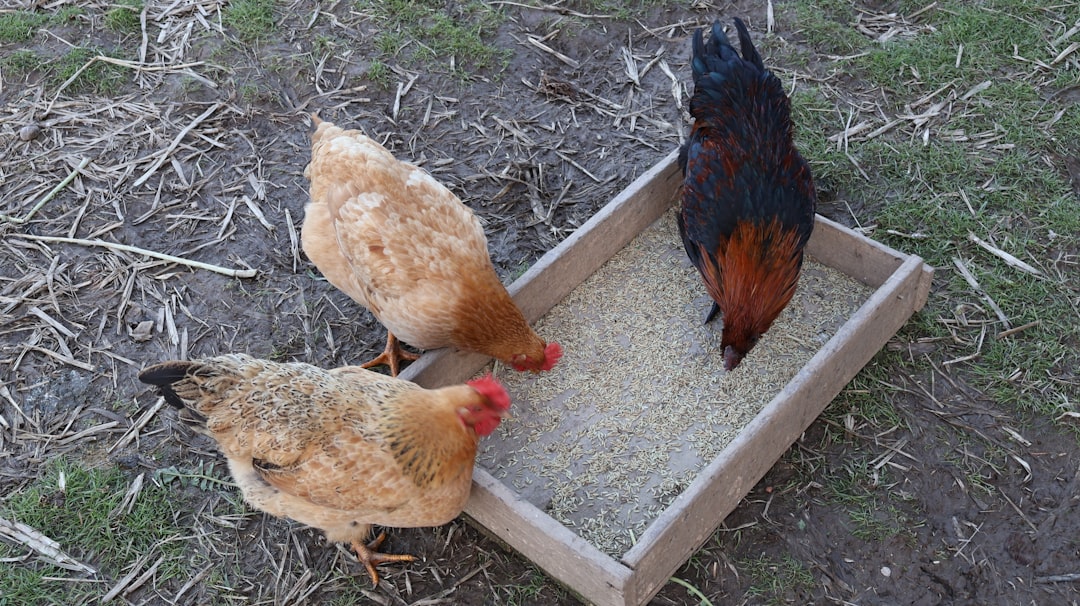
- Check feed; top up.
- Scatter a handful of scratch grains to encourage foraging.
- Eyeball the hens: any limping, lethargy, ruffled feathers?
Midday (2-3 minutes)
- Quick collect of any eggs laid that morning.
- Refill water in summer heat if needed.
Evening (5-10 minutes)
- Wait for hens to put themselves to bed (they do this naturally at dusk).
- Close the coop door securely.
- Top up water if it will freeze overnight in winter.
- Make sure feed is dry and accessible.
Weekly tasks (30-60 minutes)
- Spot-clean droppings boards.
- Fluff up bedding.
- Wash water dispenser thoroughly.
- Inspect nest boxes for cleanliness.
- Check feed stores.
Monthly tasks (1-2 hours)
- Deep clean coop: remove bedding, scrub surfaces, replace with fresh.
- Check hens individually for parasites (mites near vent area).
- Inspect run for any damage to mesh or supports.
- Order more feed if running low.
- Compost the old bedding properly.
Seasonal tasks
Spring
Increase ventilation. Watch for broody hens. Order replacement bedding.
Summer
Provide shade, fresh water multiple times a day, electrolytes in extreme heat. Add frozen water bottles to coops in heatwaves.
Autumn
Reduce ventilation slightly. Stock feed and bedding for winter. Treat for mites.
Winter
Heated water bowl or twice-daily refilling. Increase bedding depth (deep litter method works well).
What the routine actually accomplishes
- Birds stay healthy with predictable feeding and access.
- Predators denied easy entry through released doors.
- Daily health observation catches issues early.
- Eggs stay clean and reliable.
- Coop stays manageable rather than overwhelming.
Further reading
Two authoritative resources we recommend if you want to go deeper on this topic:
Frequently asked questions