Five years ago we bought a set of six wooden seed trays and a set of ten plastic seed trays as a comparison test. The wooden ones (untreated cedar, hand-made, £8 each) cost more than triple what the plastic ones did (standard 24-cell modular plastic, £2.50 each). The expectation was that the wooden ones would look nicer and probably last a bit longer, and the plastic ones would be more practical.
Five seasons in, the reality is different from what we expected. This is what actually happened, with what we would tell anyone deciding today.
Season by season summary
Season 1: Both worked well. Wooden trays looked nicer on the potting bench; plastic ones sat under grow lights more compactly. Germination rates identical. No functional difference.
Season 2: Plastic trays showed minor cracking at the corners where they had been sat on accidentally. One cell had split. Wooden trays looked slightly weathered but functionally identical.
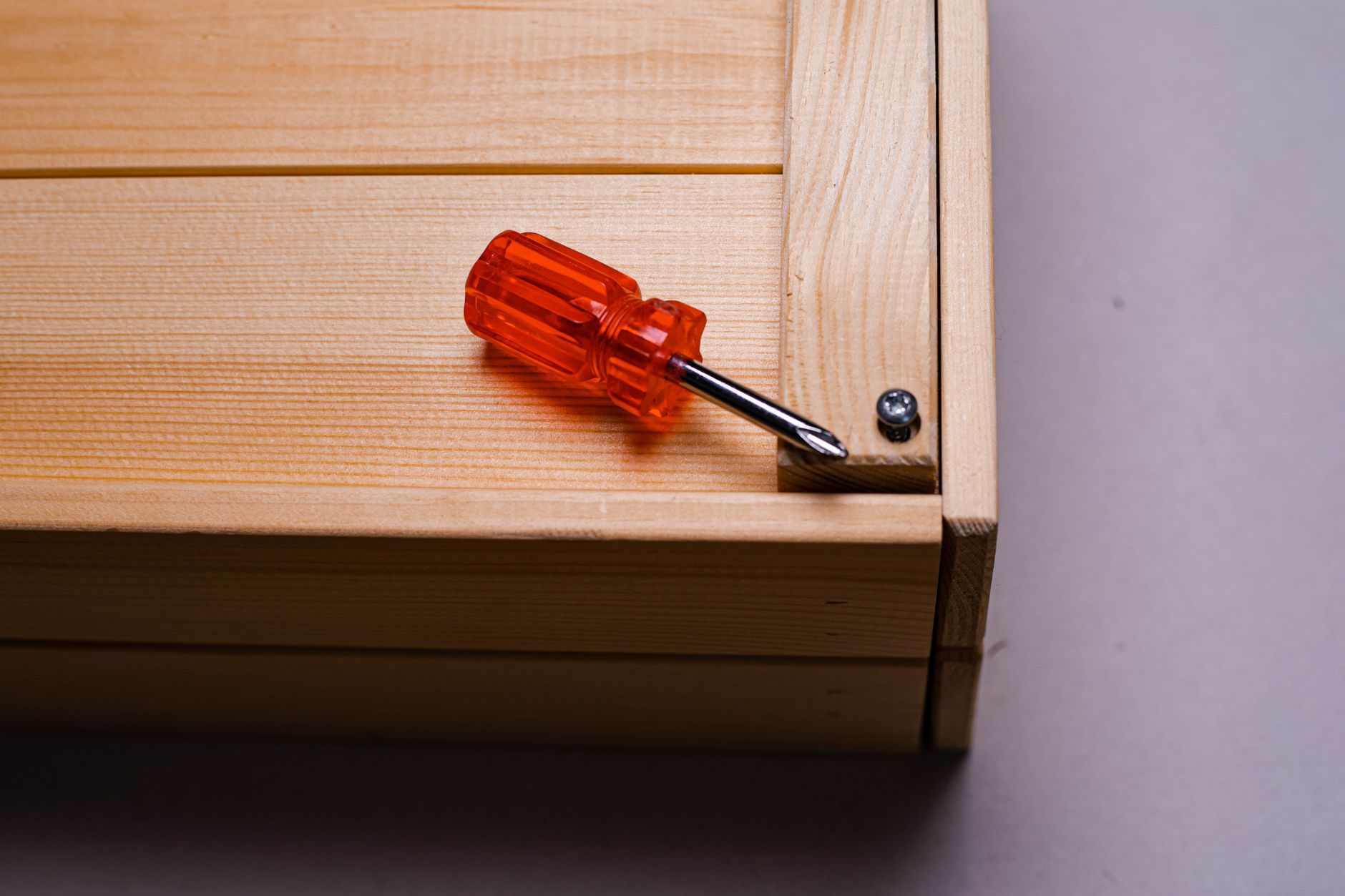
Season 3: Two plastic trays retired (broken cells, mould in corners that would not clean off). Four remaining plastic trays fine. Wooden trays still all intact; one had a wobbly slat that was tightened with a small brad nail.
Season 4: Down to three plastic trays. The others had cracked or the drainage holes had enlarged into misshapen slots that spilled compost. Wooden trays: five of six still in use, one lost to over-tightening the slat repair (wood split). Signs of mildew on wooden trays at the corners.
Season 5: Two plastic trays remaining, both showing UV brittleness. Five wooden trays remaining, all with visible weathering, one starting to develop rot in a bottom slat.
The cost per season, calculated honestly
Original spend: £48 on six wooden trays, £25 on ten plastic trays. Total £73 across sixteen trays.
Five seasons later: five wooden trays (£8 each original cost = £40 sitting on the shelf still) and two plastic trays (£5 of original cost still working). Effective cost-per-tray-per-season:
- Wooden: £48 / (average 5.5 tray-seasons per tray) = about £1.45 per tray per season, likely to drop further as most trays continue.
- Plastic: £25 / (average 2.9 tray-seasons per tray) = about £1.60 per tray per season, with most trays already retired.
Total cost-per-tray-per-season is essentially the same. The wooden trays looked more expensive upfront but ended cheaper per season of use.
Hidden costs that changed the calculation
Two hidden costs mattered:
- Storage and stacking. Plastic trays stack neatly. Wooden trays do not; they occupy about three times the shelf space when stored. In a small shed, this genuinely matters. If shelf space is a real constraint, plastic wins the storage side outright.
- Cleaning between seasons. Plastic trays wash quickly, tolerate a bleach sanitise, and dry in an hour. Wooden trays cannot be bleach-sanitised (damages the wood), need scrubbing more slowly, and take a day or two to fully dry. If you propagate many crops through the year and rotate trays weekly, the cleaning time adds up.
Both of these bias slightly in favour of plastic for high-throughput seed-starting; toward wood for low-throughput, aesthetically-driven setups.
Germination and root development: no difference
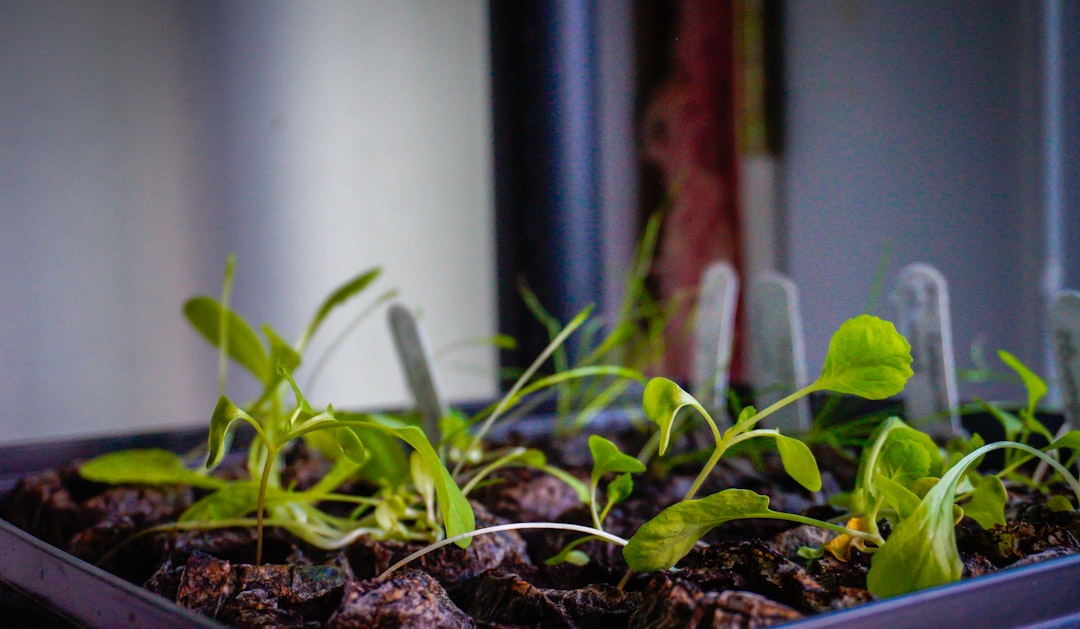
Across five seasons of side-by-side sowings of the same seed lots into wooden and plastic trays, germination rates matched within statistical noise (within 5 percent of each other). Root development at transplant matched too. Neither material influenced the actual seedling in any way we could measure.
This surprised us. Common gardening advice says wooden trays “breathe better” and produce stronger roots; our test does not support this claim on a practical level. Both provided adequate drainage, both allowed adequate air exchange, and both produced healthy transplants when used with the same seed compost.
The trade-off nobody mentions
Wooden trays are quiet. Plastic trays clatter, especially when moved on a metal potting bench or slid across a shelf. In a small greenhouse or a shed workspace, the acoustic difference is real and pleasant. Over a season of daily use, wooden trays feel like a quieter tool set.
Plastic trays are hygienic and predictable. Wooden trays are attractive and repairable. If you cannot decide which matters more to you, the honest answer is to buy both (three plastic and three wooden as a test set) and see which you reach for more often. Whichever you reach for is the right material for your workflow.
What we would buy today
For most home propagators (starting fewer than 100 seedlings per year), a mix of both makes practical sense: three wooden trays for the aesthetic seed-starting on the kitchen windowsill (herbs, salad, small ornamentals) and six plastic trays for the workhorse vegetable propagation in the shed or greenhouse.
For high-volume seed-starting (500+ seedlings per year), all plastic. The cleaning speed and stacking density matter at that scale.
For someone specifically drawn to the craft aesthetic of a wooden potting bench, all wood. The cost per season is comparable and the working environment is nicer.
Longevity beyond five years
Extrapolating from the current state: the remaining wooden trays are likely good for another 3-5 seasons with occasional slat replacements (a £2 pack of cedar strips from a hardware store makes new slats for any wooden tray). The remaining plastic trays are likely to lose one or two more per season until none remain, without a repair option.
Ten-year cost trajectory strongly favours wood for the initial six, with plastic requiring roughly two more full replacement rounds over that period.
Further reading
Two authoritative resources we recommend if you want to go deeper on this topic:
Frequently asked questions