Soil testing kits are useful and a little misleading. They report values that suggest precision the home soil rarely has. Most experienced gardeners have learned to read soil by hand, by smell, and by the plants that grow well or struggle in it. This is not romantic; it is more reliable than most home test kits.
This guide walks through how to read garden or container soil with your hands and senses, what each finding tells you, and when a test kit is genuinely worth it.
The squeeze test
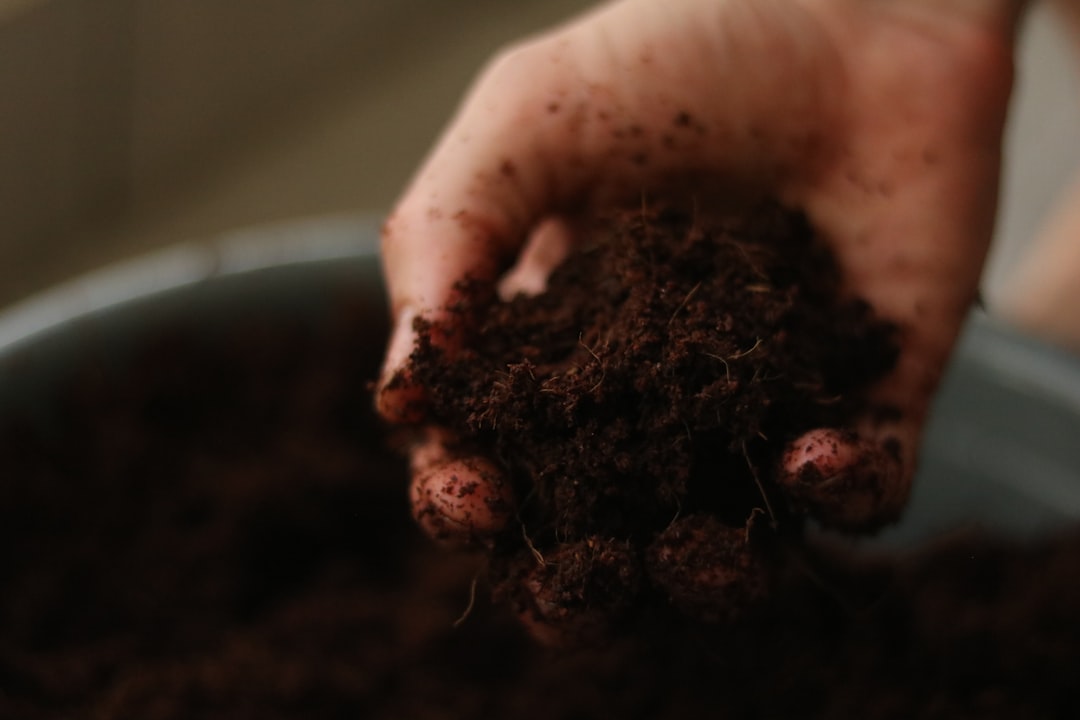
- Take a handful of soil, slightly moist, from a few inches down.
- Squeeze it firmly in your hand.
- Open your fingers and observe.
What you see:
- Crumbles immediately: sandy soil, drains fast, low organic matter.
- Holds shape, breaks with a gentle poke: loamy soil, ideal.
- Holds shape rigidly, sticky when pressed: clay-heavy, slow draining, fertile when amended.
The smell test
- Earthy, mushroom-like: healthy, balanced.
- Sour or sulphurous: anaerobic, too wet, compacted.
- Acrid or chemical: contamination or fresh fertiliser residue.
- Almost no smell: very sandy or depleted.
The colour test
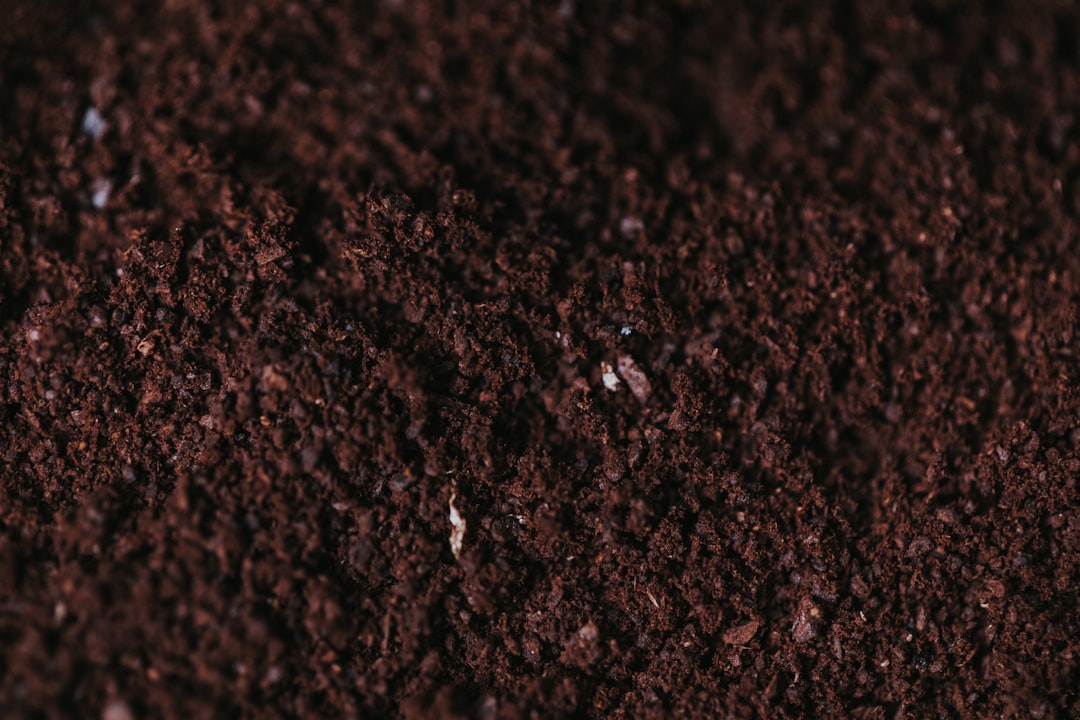
- Dark brown to black: rich in organic matter.
- Reddish: iron-rich, often nutrient-poor.
- Yellow-grey: low in organic matter, often acidic.
- Pale grey: sandy or very depleted.
Reading plants as soil indicators
- Dandelions thrive: compacted or acidic soil.
- Stinging nettles: high nitrogen, rich.
- Clover: low nitrogen (clovers fix it themselves).
- Plantain: compacted soil.
- Sorrel: acidic.
- Chickweed: rich, well-fertilised.
Weeds are biographies of your soil. Read them.
Drainage by observation
Dig a hole 30 cm deep, fill with water, wait for it to drain, then refill. The second fill should drain within 4 hours in good soil. Standing for 8+ hours means poor drainage; amend with compost and grit.
When a test kit is worth it
- When plants are consistently sickly despite good care.
- Before liming or adding sulphur to adjust pH.
- If you suspect contamination (lead from old paint, industrial soil).
- When establishing a new garden on unknown ground.
For routine care, hand observation is more useful.
The slow practice
Over a few seasons of gardening, your hands learn to read soil intuitively. You start to feel when a bed needs compost, when it is wet enough to plant, when it has gone hungry. This intuitive knowledge is more valuable than any test kit.
Further reading
Two authoritative resources we recommend if you want to go deeper on this topic:
Frequently asked questions