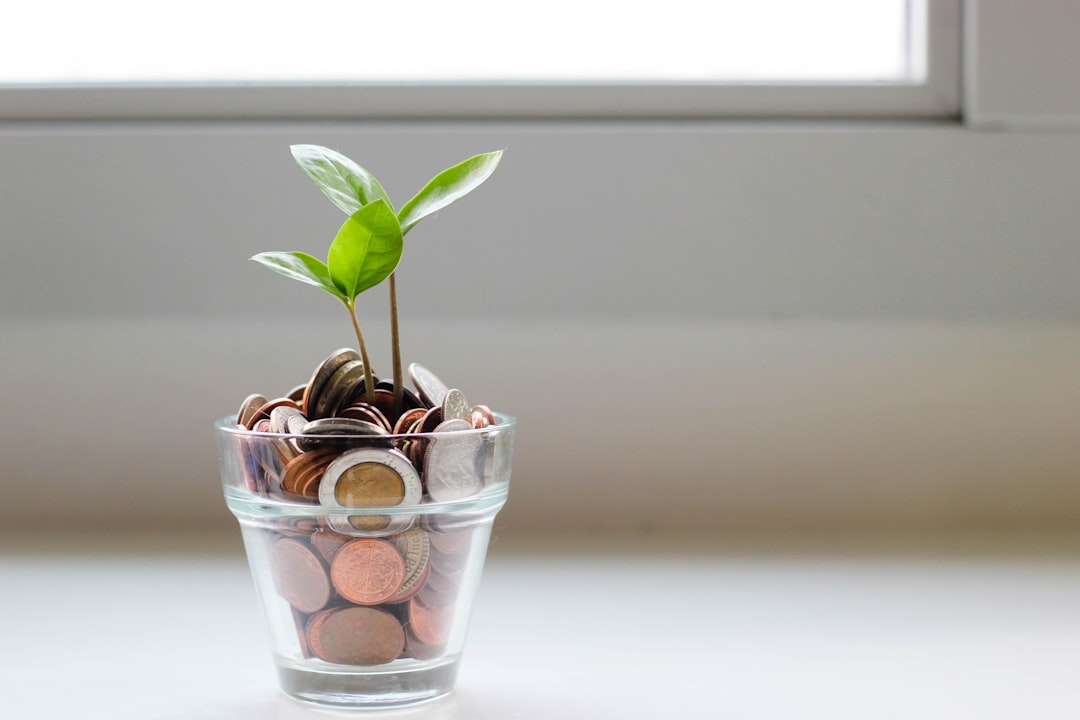
Indoor growing magazines tend to skip the costs. Setup, electricity, soil, seed, replacement parts, the small things that quietly accumulate. The full picture matters because indoor growing is sometimes pitched as cheaper than buying vegetables, and at small scale it usually is not. The honest pitch is that it is rewarding, fresh, year-round, and sometimes saves money once equipment is paid off.
This guide breaks down what indoor growing actually costs over a year, for three different scales of setup.
Setup one: a single LED shelf
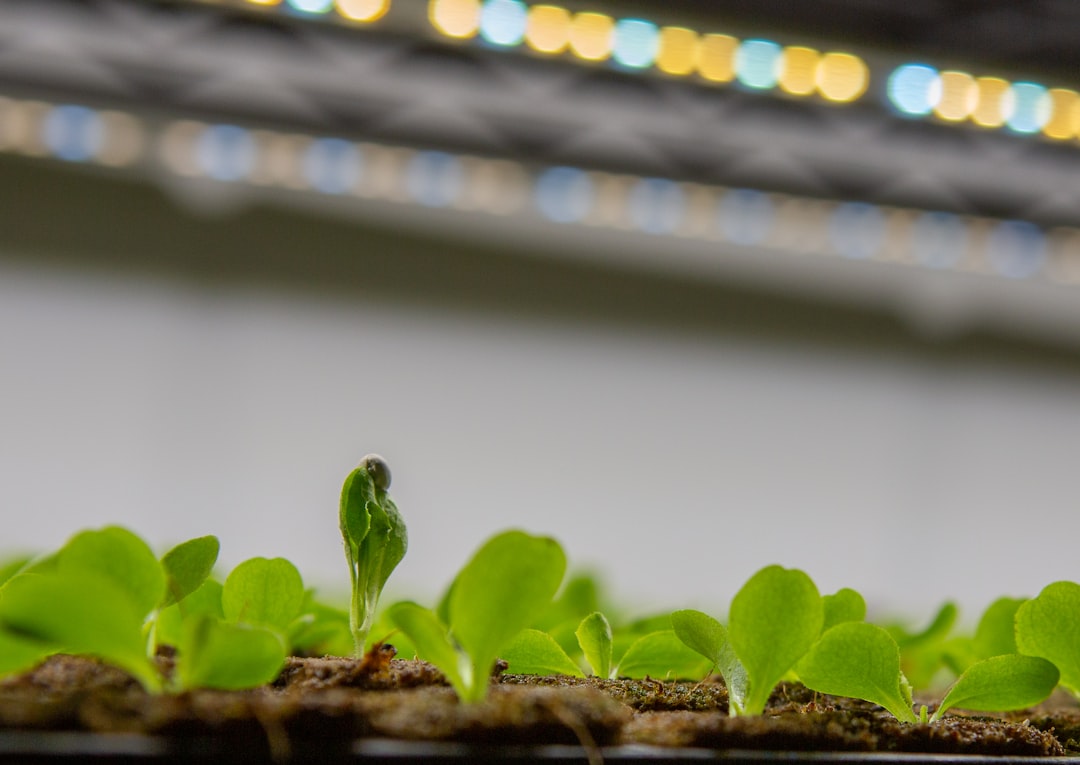
A wire rack, one 30W LED panel, two trays, soil for herbs and microgreens. Beginner setup.
- Initial setup: $120
- Annual electricity: $30
- Soil refresh: $15
- Seeds: $20
- Total annual running: $65
Productive output: 24-30 microgreen harvests, continuous herbs, occasional salad. Equivalent supermarket value: $200-$280 a year.
Net saving after year one: $130-$210. Worth doing.
Setup two: a small hydroponic lettuce tower
12-pocket Kratky tower with a 40W LED light. Recurring lettuce production.
- Initial setup: $200
- Annual electricity: $45
- Nutrients: $25
- Seeds: $15
- Total annual running: $85
Productive output: 60-100 lettuce heads a year. Equivalent supermarket value: $200-$300.
Net saving after year one: $115-$215.
Setup three: full vertical garden
Four-shelf wire rack with LED on each level, mix of herbs, salads, microgreens, small fruiting plants.
- Initial setup: $400-$500
- Annual electricity: $80-$100
- Soil, nutrients, seeds: $80
- Total annual running: $160-$180
Productive output: comparable to a small supermarket aisle of greens, herbs, microgreens. Equivalent supermarket value: $600-$1000 a year.
Net saving after year one: $400-$800.
Where the money usually goes wrong
- Overbuying equipment in year one (lights too powerful, multiple kits).
- Replacing soil too frequently.
- Buying premium nutrients with no measurable benefit.
- Adding gadgets (pH controllers, automated dosing) before they are needed.
The hidden value
- Daily fresh herbs that supermarket bunches cannot match.
- Microgreens at peak freshness versus wilted store-bought.
- Salad available in deep winter without driving anywhere.
- Reduced food waste from herbs that would have spoiled in plastic packs.
- A small daily ritual that supports attention and rhythm.
When indoor growing does not pay
If your goal is purely financial, indoor growing rarely beats buying vegetables in season. The setup costs and ongoing electricity tip the math toward break-even.
If your goals include freshness, year-round availability, attention practice, and the pleasure of producing your own food, the math is much more favourable.
Further reading
Two authoritative resources we recommend if you want to go deeper on this topic:
Frequently asked questions