Humidity is the quiet variable most indoor growers ignore. Plants that look perfectly healthy can become quietly stressed in dry winter air. Plants in summer can suffer fungal issues from stagnant high humidity. Smart humidity management is one of the genuine efficiency gains in indoor growing, even at small scale.
This guide walks through what humidity actually does, how to measure it, and the simple equipment that helps.
Why humidity matters
Plant transpiration depends on humidity. In dry air, plants lose water faster than they can absorb it from soil. In very humid air, transpiration stalls and nutrient uptake slows. The sweet spot for most leafy crops is 50-70% relative humidity.
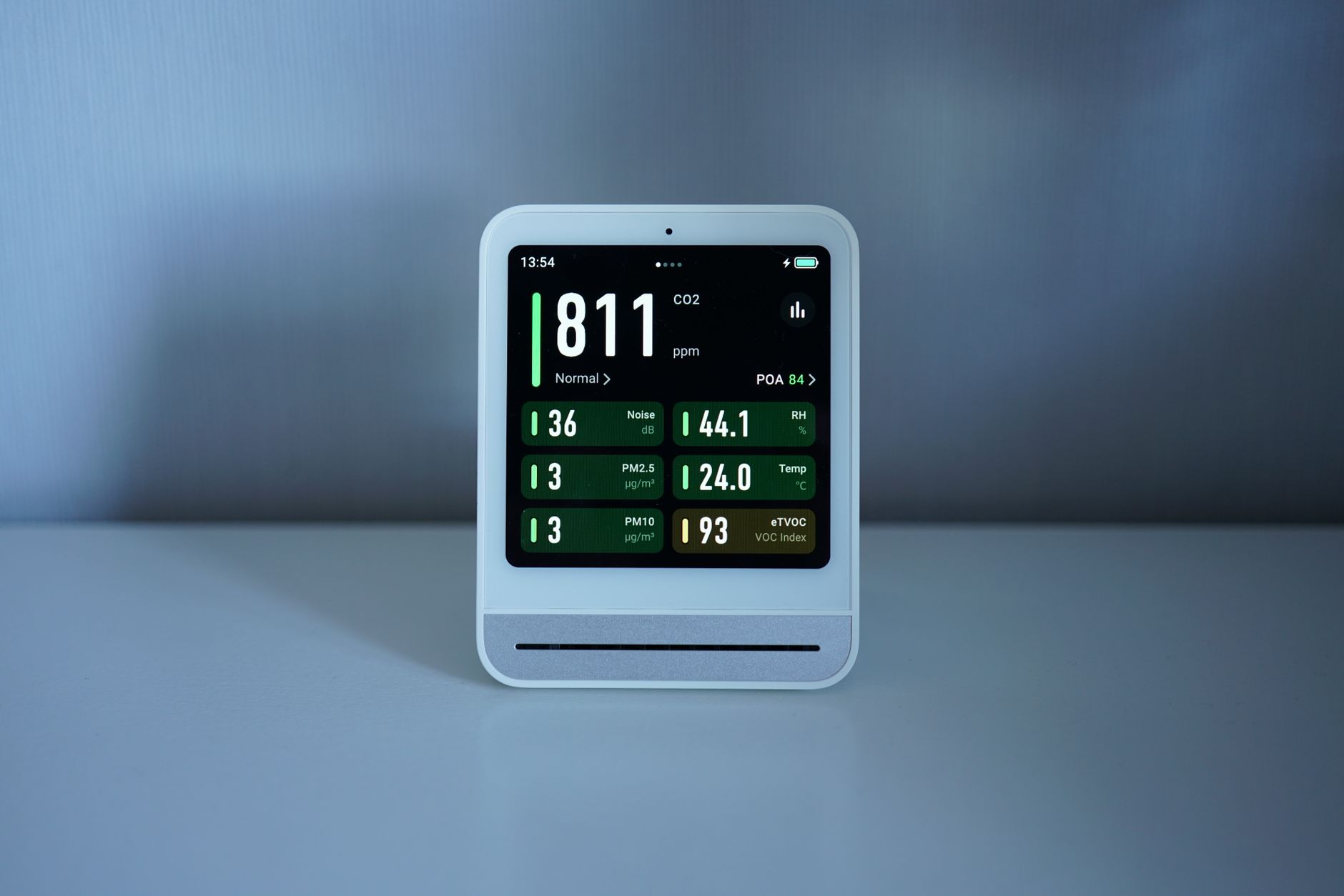
Measuring it cheaply
- A $10-$15 digital hygrometer placed in your growing area.
- Daily reading: at the same time each morning.
- Monthly tracking to spot seasonal patterns.
Raising humidity (winter)
- Group plants together to share moisture.
- Place a tray of water with stones beneath plant pots.
- Add a small ultrasonic humidifier on a timer.
- Mist plants morning and evening with a spray bottle.
- Open the bathroom door after a shower to share moisture.
Lowering humidity (summer or wet climates)
- Increase air circulation with a small fan.
- Space plants further apart.
- Vent the growing area daily.
- Remove humidity domes from seedling trays once the second leaves emerge.
- Run a dehumidifier in extreme cases (rarely needed in apartments).
Crop-specific notes
Microgreens and seedlings
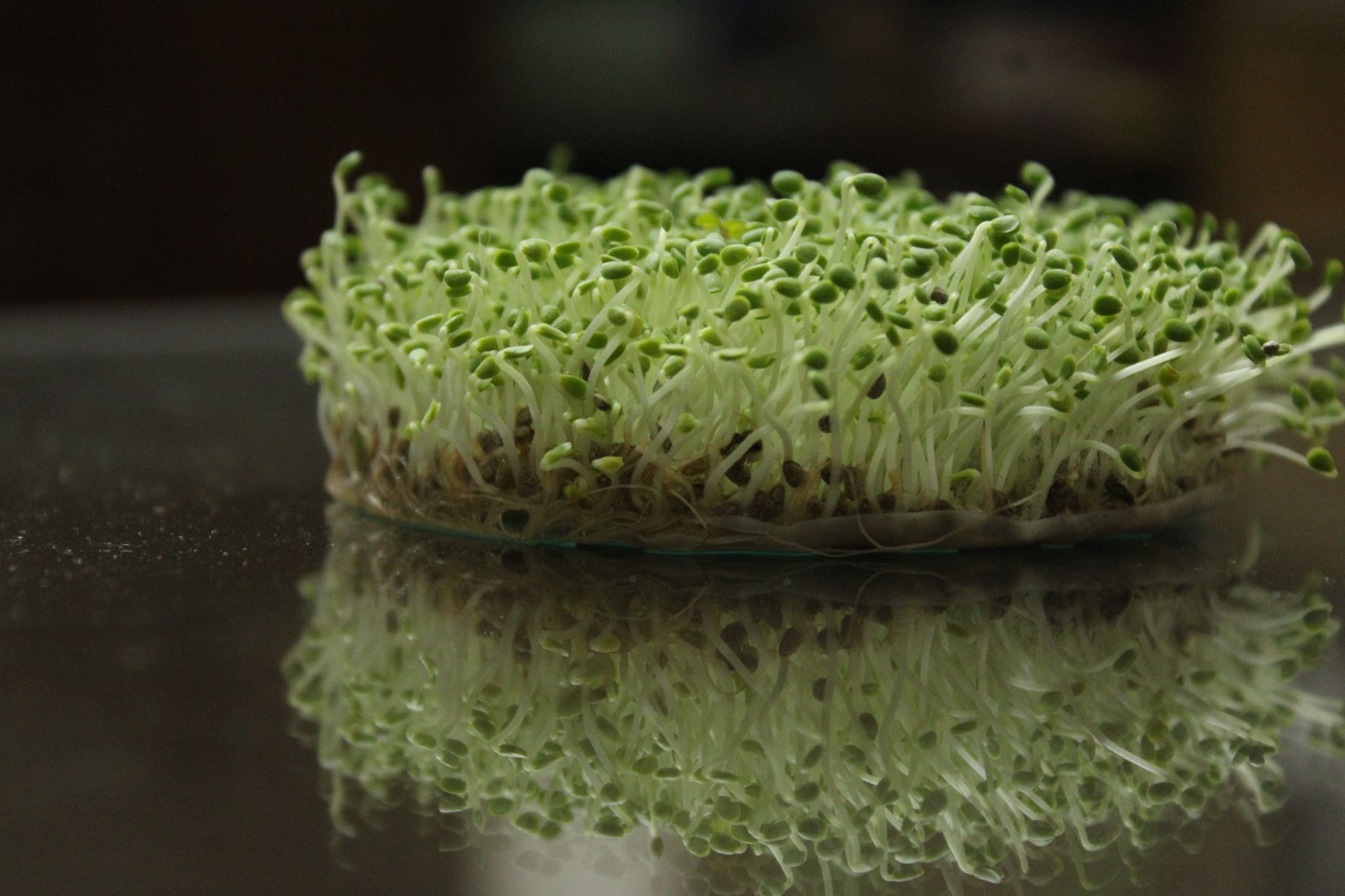
Higher humidity helps germination (use domes for the first week). After leaves emerge, remove the dome.
Leafy greens
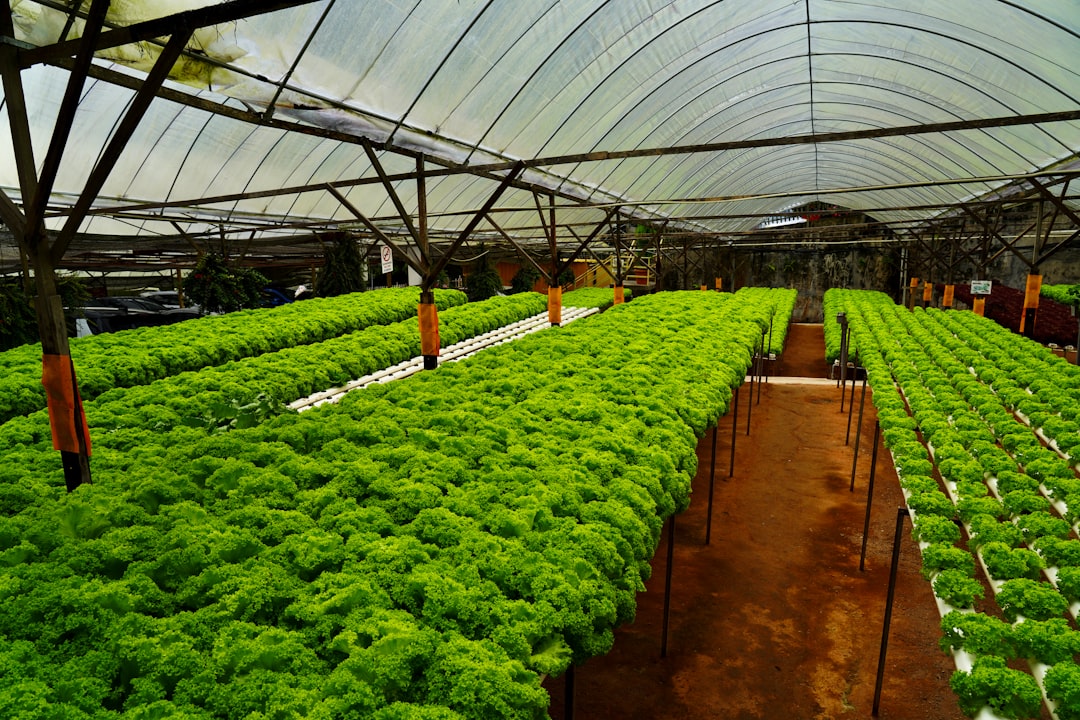
50-65% suits most. Higher promotes fungal issues; lower stresses leaves.
Tomatoes and fruiting plants
50-70% during vegetative growth, 40-60% during flowering. High humidity at flowering reduces pollination success.
Mediterranean herbs (rosemary, thyme)
Prefer drier air (40-55%) and good air circulation.
Simple humidifier setup
An ultrasonic cool-mist humidifier with a 2-3 litre tank, run for 4-6 hours a day, raises humidity in a small room from 30% to 55-65%. Costs about $30-$50. Refill every 1-2 days.
- Use filtered or distilled water to prevent white dust.
- Keep the unit clean to prevent bacterial growth.
- Place 1-2 m from plants, not directly on leaves.
When humidity is causing problems
- Crispy leaf edges: too dry.
- Yellowing lower leaves with damp soil: too humid.
- Powdery mildew or grey mould: too humid with poor airflow.
- Slow growth in cool weather: often too dry indoors.
Further reading
Two authoritative resources we recommend if you want to go deeper on this topic:
Frequently asked questions