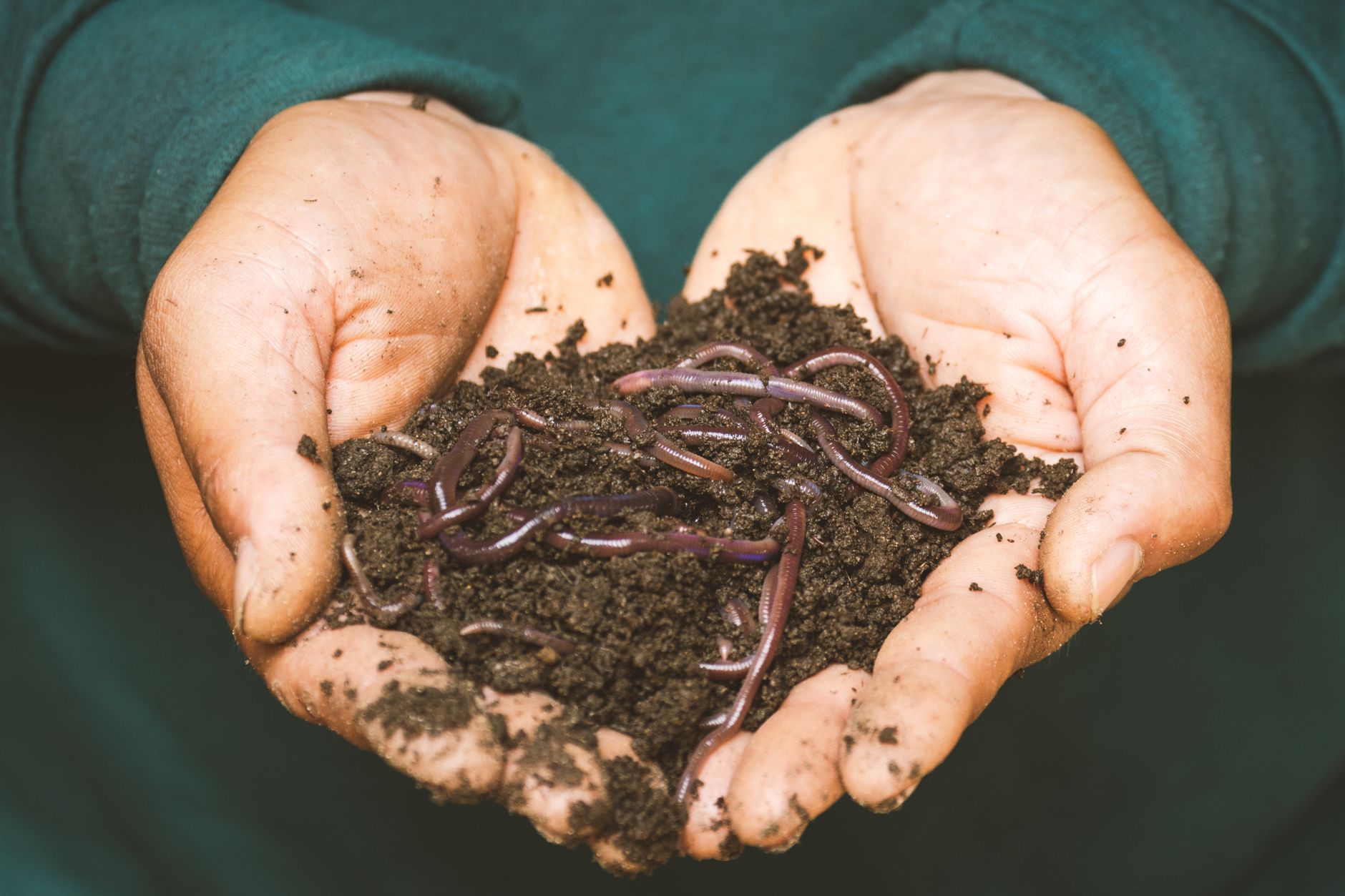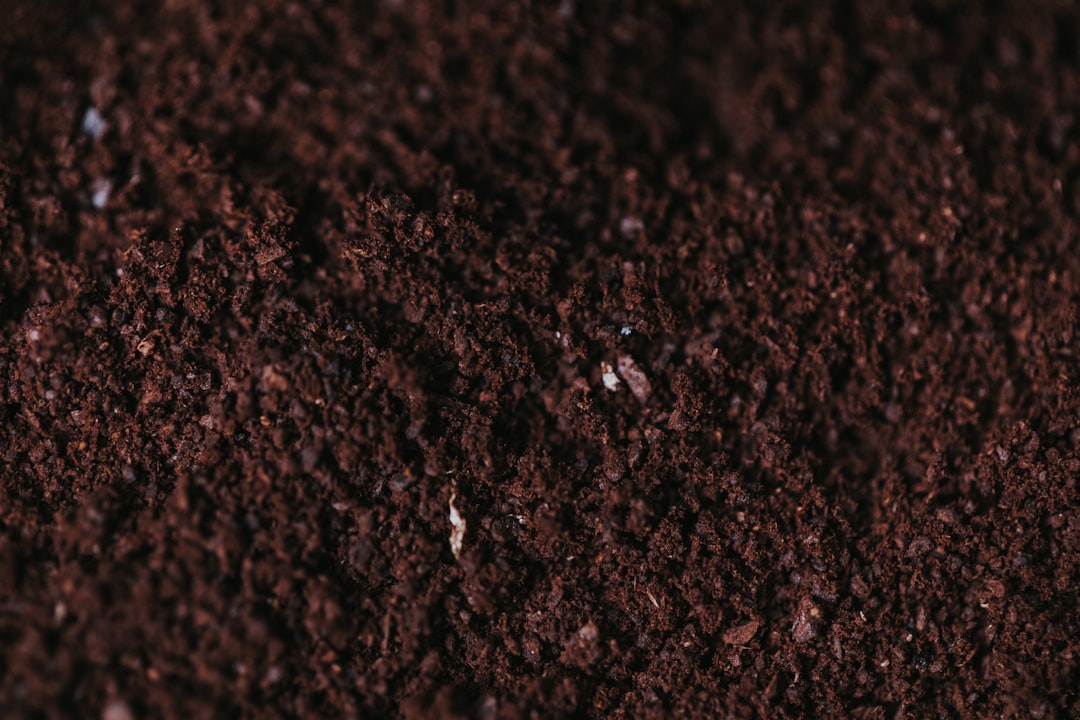
Container soil becomes exhausted faster than gardeners realise. By the end of a single season, even good potting mix has lost much of its nutrient capacity, compacted, and become slightly hostile to roots. Most growers respond by buying new bags every spring. The cheaper, slightly more interesting alternative is to refresh your existing soil and reuse it.
This guide walks through how to do that properly, what to add, and which old soil is truly past saving.
When soil can be refreshed
- Soil that was not host to diseased plants.
- Soil that still has structure (does not crumble to dust or hold like clay).
- Soil from healthy productive containers.
- Soil less than 2-3 years old in pots.
When to discard
- Soil from a pot where blight, wilt or root rot occurred.
- Soil that smells sour or rotten.
- Soil that has compacted into hard, water-repelling lumps.
- Soil heavily depleted (held the same plant for 3+ years).
Discarded soil should not go in the bin. Tip onto outdoor beds, under shrubs, or into a compost heap where it can be revitalised over time.
The refresh process
- Empty pots onto a tarp or wheelbarrow.
- Break up the root ball; remove all old roots and any large debris.
- Crush any compacted lumps with your hands or a trowel.
- Mix in 30-40% by volume of fresh compost or worm castings.
- Add 10-15% perlite or coarse grit if soil seems compacted.
- Add a small handful of slow-release fertiliser per 30 litres of mix.
- Return to pots; water in well before replanting.
What to add
Fresh compost (essential)
Homemade or bagged. Adds organic matter, microbial life, and slow-release nutrients.
Worm castings (excellent)
Higher quality nutrient delivery than compost. A 2 cm layer per pot is generous.
Perlite or pumice (for compaction)
Improves drainage and air space.
Slow-release fertiliser (optional)
Useful for hungry crops like tomatoes; not essential for light feeders.
Refreshing different containers
Salad and herb pots
Refresh fully every year. These plants are not heavy feeders, so a 30% addition of compost is enough.
Tomato and pepper pots
Refresh fully every year. These crops deplete soil aggressively. A 40-50% addition of compost plus slow-release fertiliser is appropriate.
Long-term perennials (citrus, fruit, shrubs)
Top-dress with 2-3 cm of compost annually rather than full refresh; full refresh every 3-5 years.
Mistakes to avoid
- Reusing soil without amendments (results in noticeably worse production).
- Mixing diseased soil back into your stock.
- Skipping the root-removal step.
- Replacing soil too often (a small refresh is usually enough).
A simple yearly rhythm
Every spring, empty pots, refresh soil, plant new season. Every autumn, harvest finished crops, remove dead material, lightly amend soil for overwintering plants or cover until next spring.
Further reading
Two authoritative resources we recommend if you want to go deeper on this topic:
Frequently asked questions