Most new urban gardeners go through a familiar pattern: enthusiastic buying in week one, planting frenzy in week two, watering panic in week three, and quiet defeat by week six. The pattern is so common it is almost reassuring to hear. It happens because there is no rhythm to early urban gardening, only a flurry of starts.
This guide is a four-week calendar that gives you that rhythm. It does not assume you have done this before. It does not promise spectacular results. What it does do is set a slow, achievable shape to your first month, so that by week five you have a small productive garden and the habit to keep it alive.
Week one: read the space
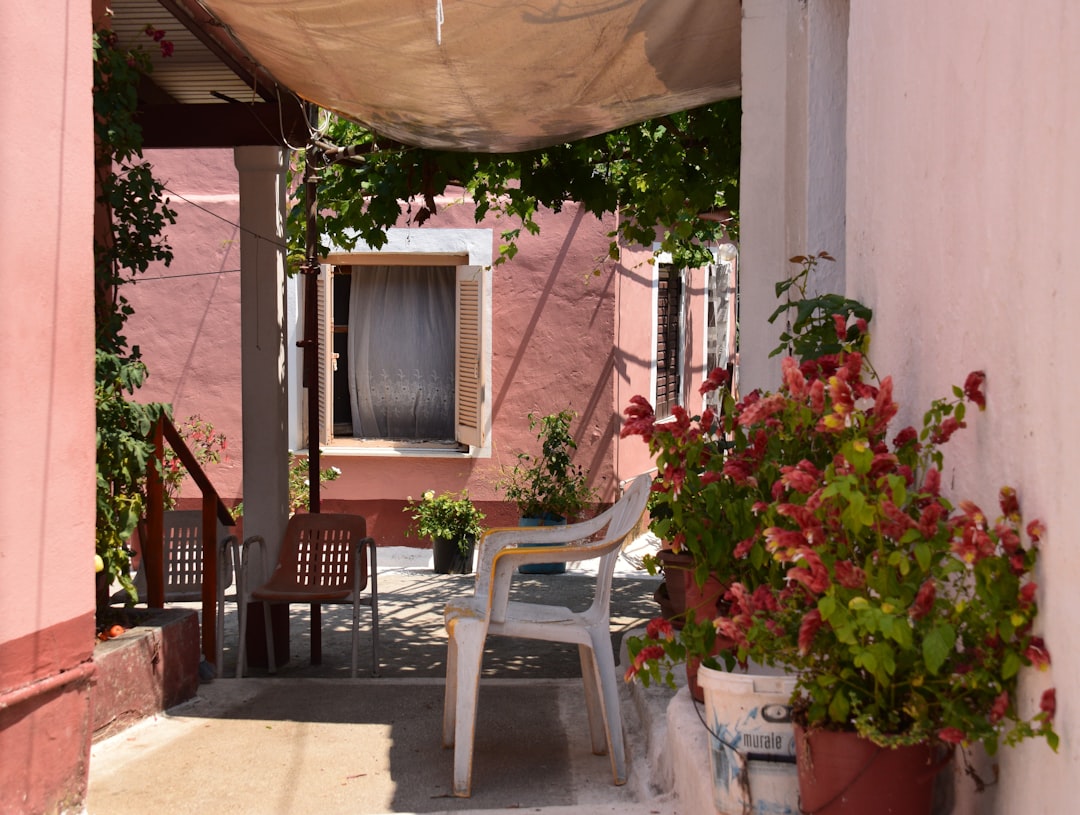
Do nothing horticultural this week. Spend an hour sitting on the balcony or near the window noting where direct sunlight falls at five different times of day. Take a few photographs. Think about whether the wind is calm or strong, whether the floor below could be damaged by drainage, and where you would put pots that you actually need access to.
By the end of the week you should have a rough sketch of where two or three plants will live. That is the whole goal.
Week two: acquire equipment
Buy or borrow:
- Two pots at least 25 cm wide, with drainage holes.
- A 40 litre bag of decent container soil mix.
- A 5 litre watering can with a rose attachment.
- A pair of secateurs or sharp scissors.
- Two saucers for drip catchment.
Do not buy plants yet. The temptation will be strong. Resist it for one more week.
Week three: choose and plant
Now you choose plants. Visit a local nursery rather than a supermarket. Buy three young plants matched to your sun reading. Examples for various amounts of sun:
- Sunny balcony: a small bush tomato, a basil, a chilli.
- Partial sun: parsley, chives, lettuce seedlings.
- Shady balcony: mint, parsley, mizuna or rocket seedlings.
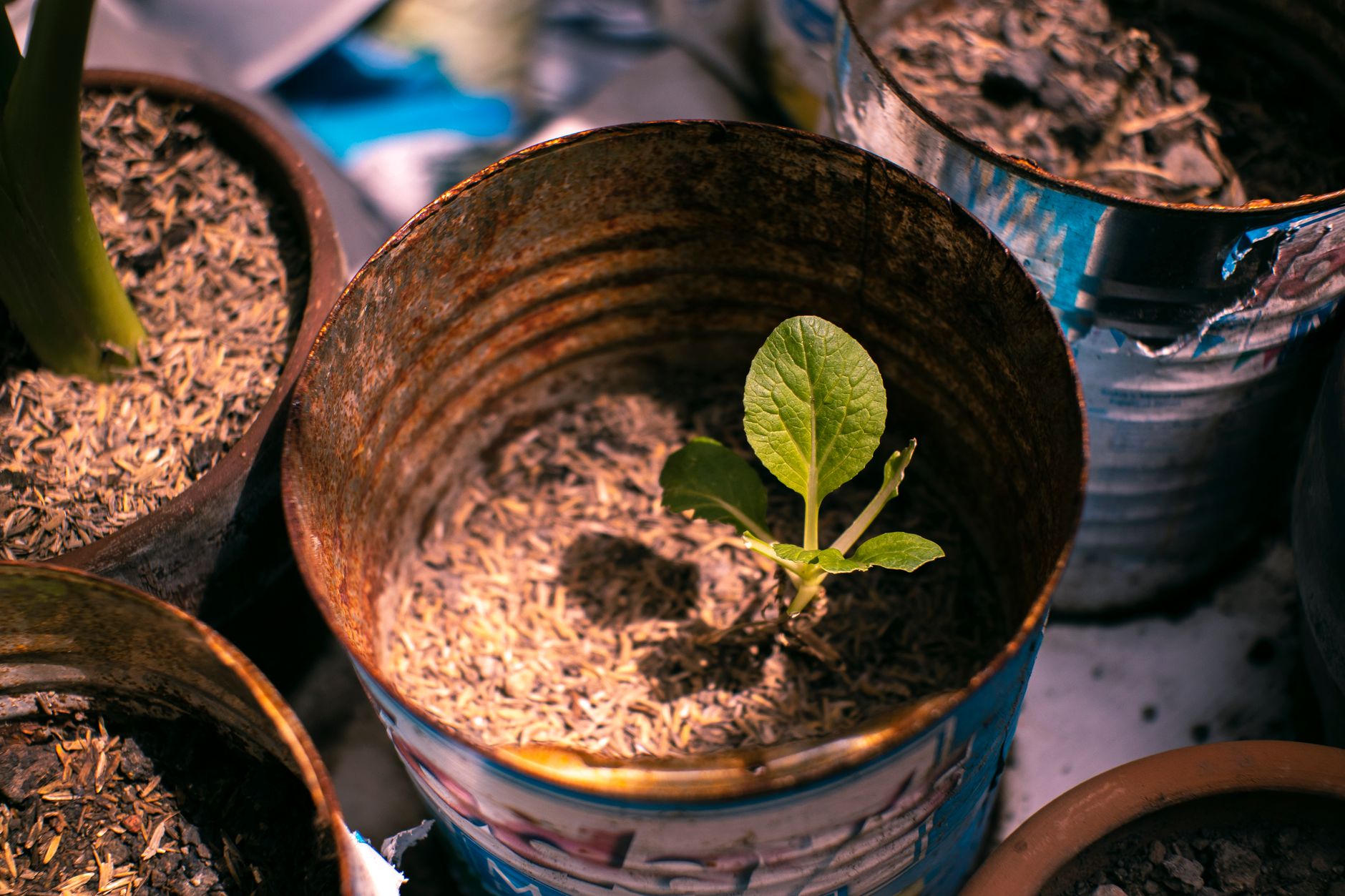
Plant them on a cloudy afternoon. Water in deeply. Let the pots rest in their final position for the rest of the week.
Week four: build a watering rhythm
This is the week that decides whether you succeed. Every morning, walk past your pots and push a finger one knuckle deep into the soil. Water if dry, leave if damp. By the end of the week you will start to recognise which pot dries fastest, which one holds water for days, and roughly how much volume each one drinks.
That recognition is the first real gardening skill. After this week, the rest of the season becomes easier.
Beyond week four
From week five onward the routine settles. Water as needed, pinch back herbs once they are bushy, harvest salad leaves as soon as they reach 8 cm tall, stake the tomato when it reaches 30 cm, feed every fortnight with a diluted liquid feed.
There will be a setback. A pot will dry out, a tomato will get blight, a basil will collapse for no obvious reason. None of these mean you are bad at gardening. They mean you are learning your balcony.
Further reading
Two authoritative resources we recommend if you want to go deeper on this topic:
Frequently asked questions